Most litter box problems we hear about at our Topeka shop are not behaviour problems. They are fit problems. The box is too small, the walls are too low, or the cat has to climb in a way that hurts. Get the fit right and a lot of the mess and avoidance sorts itself out.
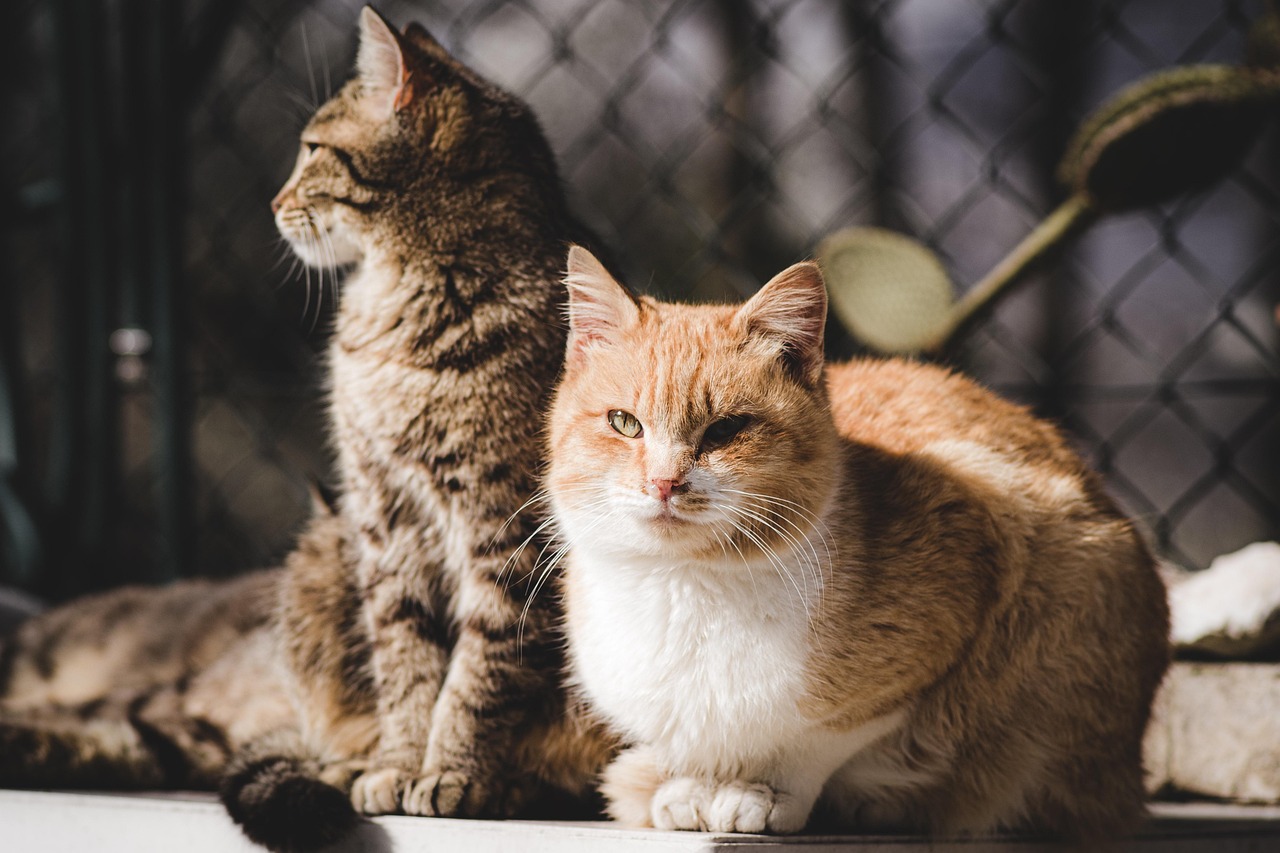
The rule that holds up best is simple: the box should be at least one and a half times the length of your cat, measured from the nose to the base of the tail. A cat needs room to turn around, dig, and cover without stepping in what it just did.
Adult domestic shorthairs usually land somewhere around 18 inches nose to tail, which puts the box at roughly 27 inches or longer. Maine Coons, Ragdolls and other large breeds need considerably more, which is why the extra-large and giant sizes exist rather than being a gimmick.
Cats hang their back end over the edge, litter gets flicked outside the box during digging, and some cats stop using it entirely. If you have been cleaning up beside the box rather than in it, size is the first thing to check.
Aim for around three inches of litter. Less than that and cats cannot dig properly, so they stop covering. Much more than that and the litter at the bottom rarely gets used and simply holds moisture.
Wall height should be tall enough to contain the scatter from digging but low enough to enter without a stretch. Around seven or eight inches works for most adult cats. Kittens and older cats with stiff joints need one low side, which is where a pan with a cut-down entry earns its place.
An open pan is the easiest for a cat to accept. Nothing blocks the view, nothing traps smell around the cat while it is in there, and cleaning takes seconds. The trade-off is that odour goes straight into the room and scatter goes over the rim. Open pans suit multi-cat homes, nervous cats, and anyone who scoops daily. Browse our open litter pans.
A hood keeps litter in and smell contained, and gives shy cats privacy. It also hides the state of the box from you, which is exactly why hooded boxes need a firm scooping habit. Cats will refuse a dirty enclosed box faster than a dirty open one, because they have to stand in the smell. See the hooded and enclosed boxes.
Entry through a lid on top is the most effective answer to two specific problems: a dog that raids the litter box, and litter tracked across the floor. The lid doubles as a grate that catches granules off the paws on the way out. They do not suit kittens, seniors, or very heavy cats who dislike the drop. Have a look at the top-entry range.
Self-cleaning units rake waste into a sealed compartment after each use. They genuinely reduce daily work and keep odour down between empties, but they need a power outlet, a compatible clumping litter, and periodic cleaning of the mechanism. They are a good fit for people who are away for long days. See the automatic and self-cleaning boxes.
Plastic is light and inexpensive, but it scratches. Every scratch is a place for urine to sit, and over a couple of years a scratched plastic pan holds smell no matter how well you clean it. That is the usual reason a box “goes off” and gets replaced.
Stainless steel does not absorb, does not stain, and does not scratch in the same way. It costs more up front and it is heavier to carry to the bin, but it does not need replacing on a schedule. If you have been buying a new plastic box every year or two, the maths tends to favour steel.
Quiet, reachable, and not next to the food bowl. Avoid the spot beside a noisy furnace or washing machine — a cat startled mid-use often will not come back to that spot. In Kansas winters, an unheated garage or basement corner can get cold enough that older cats avoid the trip; keeping at least one box on the main floor solves that.
If you are unsure which size suits your cat, measure first and send us the numbers — we would rather help you get it right than have you return a box that does not fit.
Mon–Fri 10:00–20:00 · Saturday 10:00–18:00 · Sunday 12:00–17:00